How East Bay Retrofit Construction Delivers Improved Building Safety
Comprehensive Construction Services for Every Project
Extensive building support are crucial for the proper handling of any construction initiative. They facilitate smooth coordination across all steps, ensuring effective dialogue and teamwork among units. This strategy not only minimizes setbacks but also strengthens adherence to financial and scheduling requirements. As stakeholders seek higher quality outcomes, comprehending the various services available becomes increasingly vital. What specific elements support a project's success, and how can they be effectively implemented?
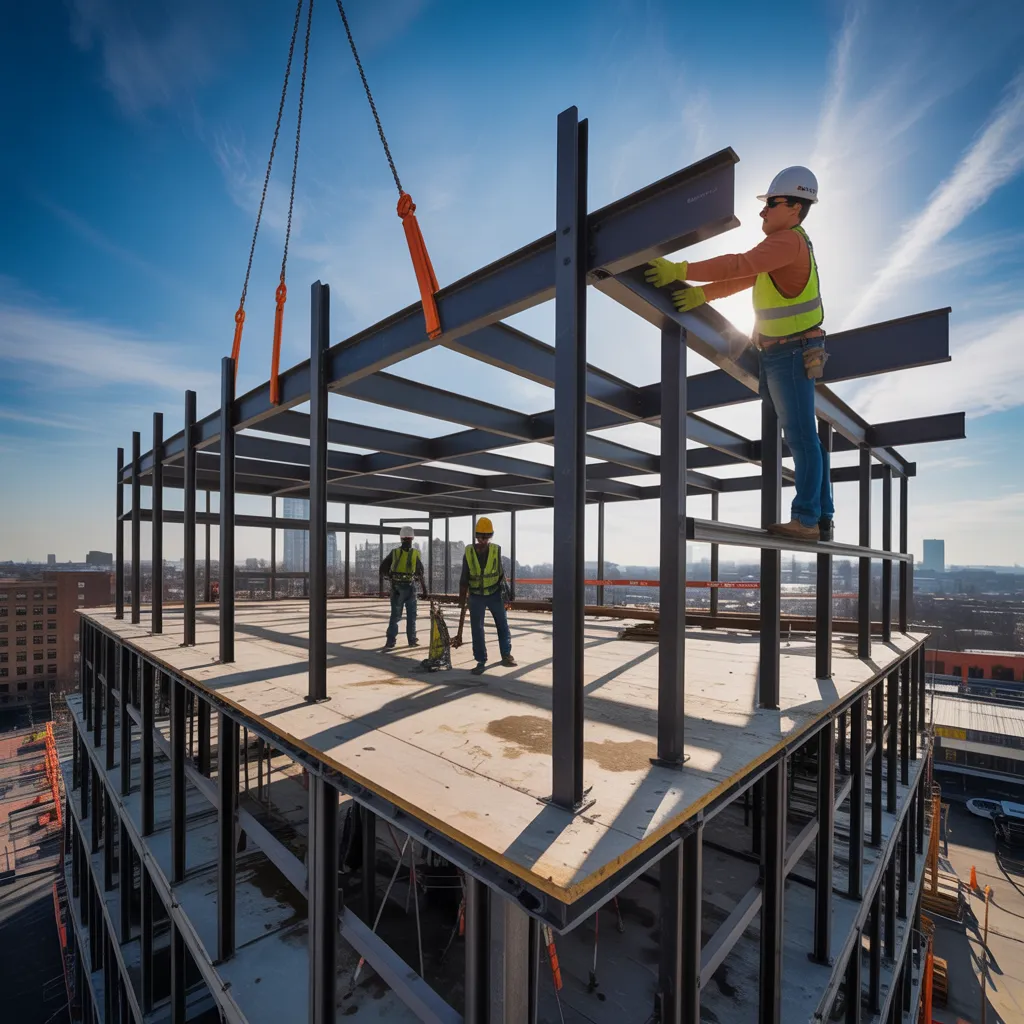
Why Extensive Construction Support Count
Comprehensive building solutions are essential because they enhance the building process, guaranteeing that all project phases are synchronized smoothly. These offerings cover a spectrum of operations, including planning, design, and delivery, which advance the project achievement of your project. By coordinating multiple stakeholders and materials, comprehensive building solutions reduce the chance of errors and postponements.
In addition, they bolster dedication to timelines and budgets, handling potential issues proactively. This extent of organization encourages a participatory environment, facilitating stakeholders to express themselves openly and efficiently.
Additionally, extensive services ensure compliance with local regulations and safety standards, reducing risks connected with construction activities. Overall, the incorporation of thorough construction services enhances project quality, leading in durable and sustainable outcomes. In an industry where precision matters, such services provide the necessary framework for achieving client satisfaction and meeting project goals.
Critical Construction Solutions for Homeowners
Homeowners wanting to upgrade their living spaces can benefit greatly from essential construction services tailored to their specific needs. These services include a range of offerings, including remodeling, renovations, and repairs, which enable homeowners to convert outdated areas into contemporary, practical spaces. Kitchen and bathroom remodels often generate considerable returns on investment, enhancing both aesthetics and utility.
Additionally, exterior work including roofing and wall repairs confirm the home continues to be safe and attractive. Landscaping and outdoor improvements create welcoming environments for socializing and unwinding.
Homeowners can take advantage of energy-efficient upgrades, which lower utility costs while supporting sustainability. By partnering with skilled professionals, homeowners can manage the complexities of construction projects with ease, guaranteeing adherence to local regulations and timelines. Overall, these vital offerings enable homeowners to achieve their visions, ultimately improving property value and quality of life.
Primary Services for Commercial Construction
The commercial construction industry relies upon skilled project handling and reliable material sourcing as key factors. These offerings guarantee that projects are completed on time and within budget while maintaining high standards. Appreciating their worth can lead to more successful construction outcomes.
Project Supervision Experience
Throughout the navigation of commercial construction dynamics, effective project management expertise becomes required to accomplish timely handoff and spending control. Skilled project managers function in directing different aspects of a construction project, including scheduling, asset management, and team coordination with stakeholders. They use advanced methodologies to prevent risks and adapt to sudden changes, ensuring that projects move ahead successfully. By leveraging digital platforms and data analytics, project managers can improve decision-making processes, strengthening speed to market and results. In addition, their ability to foster collaboration among construction teams, architects, and clients is indispensable for aligning expectations and achieving project goals. At the end of the day, world-class project management skills serves as the cornerstone of successful commercial construction endeavors, moving projects from conception to delivery with meticulous care.
Quality Material Sourcing
Quality acquisition of materials serves as a indispensable facet in the context of commercial construction, directly influencing project resilience and overall success. Proficient procurement requires acquiring high-quality materials that fulfill specific project requirements while remaining within budget constraints. This process often necessitates forging strong relationships with capable suppliers to secure prompt delivery and consistency in quality. In addition, awareness of local regulations and environmentally responsible practices plays a critical role in sourcing decisions. By emphasizing quality materials, construction firms can reinforce structural integrity and reduce long-term maintenance costs. Ultimately, a focus to quality material sourcing not only fulfills a project's immediate goals but also strengthens its longevity and resilience in a competitive market.
Determining the Greatest Construction Services for Your Project?
When selecting construction services, it is crucial to define project requirements precisely to guarantee alignment with goals. Assessing the qualifications of potential service providers further improves the likelihood of a positive result. Careful consideration of these factors can result in a more efficient and effective construction process.
State Project Expectations Explicitly
Articulating project requirements clearly is paramount for selecting the most appropriate construction services. This involves recognizing explicit goals, timeframes, financial constraints, and required supplies. A distinctly articulated scope of work helps confirm that all stakeholders comprehend shared understanding. In addition, providing information on regulatory standards or location considerations can avert unforeseen setbacks and miscommunication during the building process. When establishing defined standards early in the process, project directors can relay their requirements to potential service providers, facilitating more informed choices. In summary, comprehensive record-keeping of project requirements streamlines the selection process while also creating the groundwork for successful project execution and minimizes the risk of costly revisions at a later time.
Evaluate Service Provider Expertise
How can construction leaders ensure they choose the most qualified building contractors? Assessing the expertise of potential contractors is essential. This procedure begins with reviewing each contractor's portfolio, which displays past projects and relevant background. Construction leaders should also verify permits, credentials, and coverage to validate adherence with industry standards. Collecting references and customer feedback can provide insights into a contractor's reliability and craftsmanship. Furthermore, conducting consultations enables construction leaders to evaluate communication skills and understanding of project requirements. Analyzing bids not only on price but also on scope, timelines, and quality can additionally assist in selection. Ultimately, a thorough evaluation of contractor expertise lays the groundwork for effective project execution and satisfaction.
Optimizing Your Construction Project Efficiently
To attain productivity in construction projects, it is essential to implement a systematic approach that reduces delays and maximizes resource allocation. Effective communication among team members is critical, guaranteeing that everyone is synchronized with project goals and timelines. Utilizing project management software can streamline workflows, enabling for instant information and task tracking.
Moreover, executing a phased approach permits teams to focus on specific project segments, reducing the probability of intersecting responsibilities that can produce confusion. Continual evaluations and adjustments influenced by performance benchmarks help identifying potential bottlenecks ahead of time.
Establishing explicit roles and responsibilities encourages accountability, driving teams to meet deadlines without sacrificing quality. Furthermore, engaging in proactive risk management conditions teams for unanticipated challenges, enabling swift responses that keep projects on track. By blending these strategies, construction projects can achieve heightened efficiency, reducing costs and elevating overall outcomes.
Creating A Construction Project That Is Environmentally Responsible and High-Quality
Leveraging sustainable practices in construction not only boosts project quality but also lowers ecological damage. By applying sustainable materials and approaches, construction companies can markedly decrease energy complete guide waste and consumption rates. This approach not only fulfills compliance obligations but also draws in environmentally conscious clients.
Harnessing sustainable alternatives, such as bamboo or recycled metals, promotes durability while decreasing carbon footprints. Additionally, selecting advanced energy-saving systems, like solar panels and advanced insulation, confirms extended operational economies and improved building performance.
Working green-certified professionals notably raises performance benchmarks, maintaining compliance with sustainability benchmarks.
Additionally, introducing a waste handling system during the construction phase can facilitate procedures, curtailing costs and environmental degradation.
In the end, a pledge toward eco-friendly initiatives in construction generates high-quality projects that connect with both stakeholders and the community, forming a legacy of accountable building practices. Such devotion not only boosts the reputation of construction firms but also benefits a healthier planet.
Regularly Asked Questions
What Timelines are Usual for Construction Initiatives?
Standard timeframes for building endeavors vary widely, generally ranging from a few months to several years. Factors influencing duration include project size, difficulty, permitting processes, atmospheric conditions, and accessibility of resources, impacting overall project completion.
How Do I Manage Unexpected Construction Delays?
To manage unforeseen building delays, one should assess the situation, engage with relevant parties, modify schedules, and explore solutions. Flexibility and proactive planning can mitigate impacts and keep the project on track despite setbacks.
Which Licenses Do You Must Obtain for Development Projects?
Building projects necessitate various permits, comprising structural, electrical, water, and zoning permits. The exact requirements are contingent on local regulations, undertaking scale, and location, requiring coordination with municipal officials for compliance and guidance.
What Methods Are Used to Administer Project Budgeting Across Construction?
Project budgeting is administered through frequent evaluation of expenses, refining forecasts based on actual costs, and fostering dialogue among stakeholders. This guarantees coordination with financial goals and timely identification of potential overruns or savings.
What Safety Requirements Are Adopted on Project Sites?
Construction sites employ numerous protective strategies, encompassing ongoing safety education, application of personal protective equipment, prominent notices, site inspections, emergency protocols, and adherence to regulations to minimize risks and secure the safety of staff members.